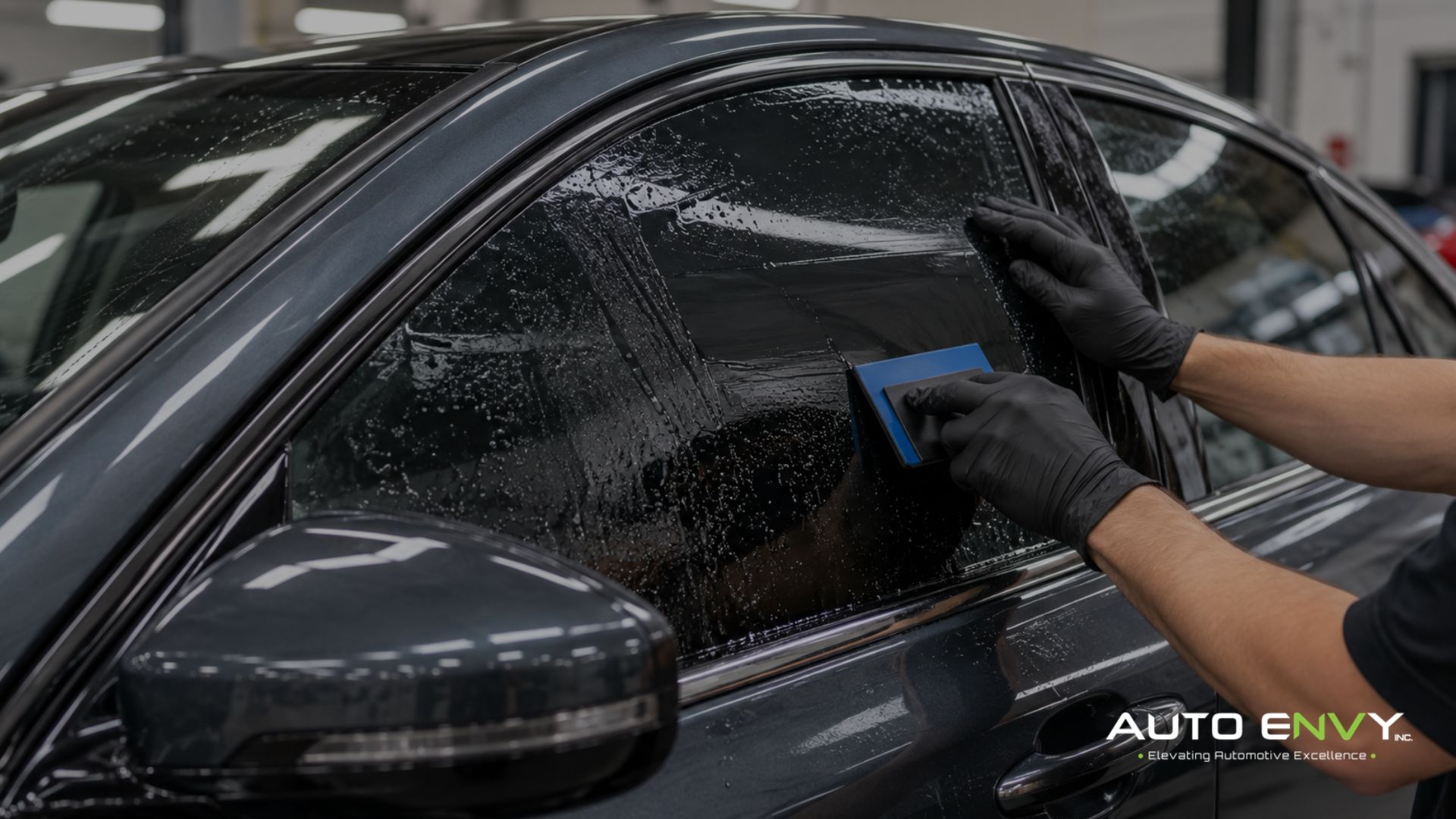
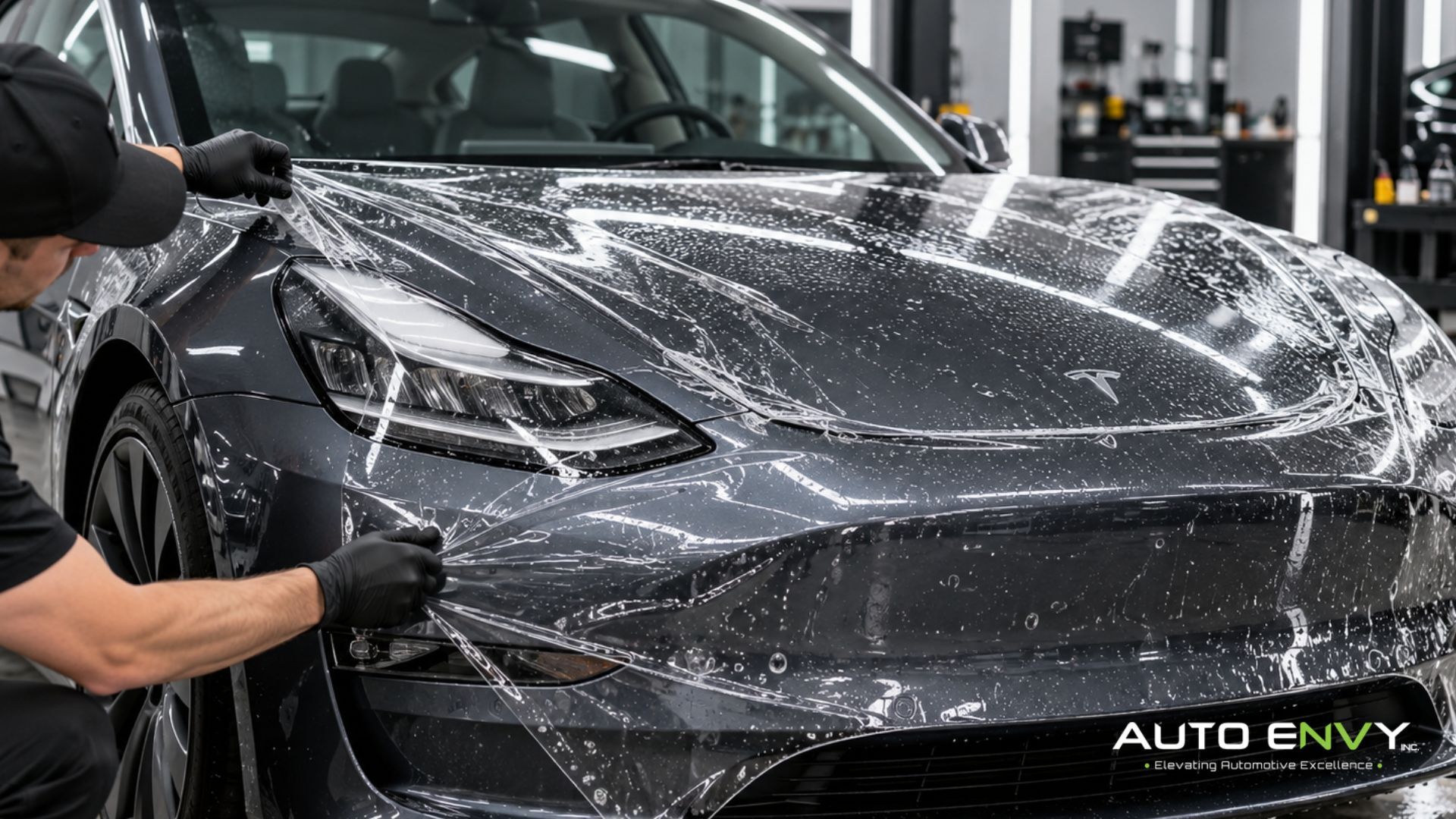
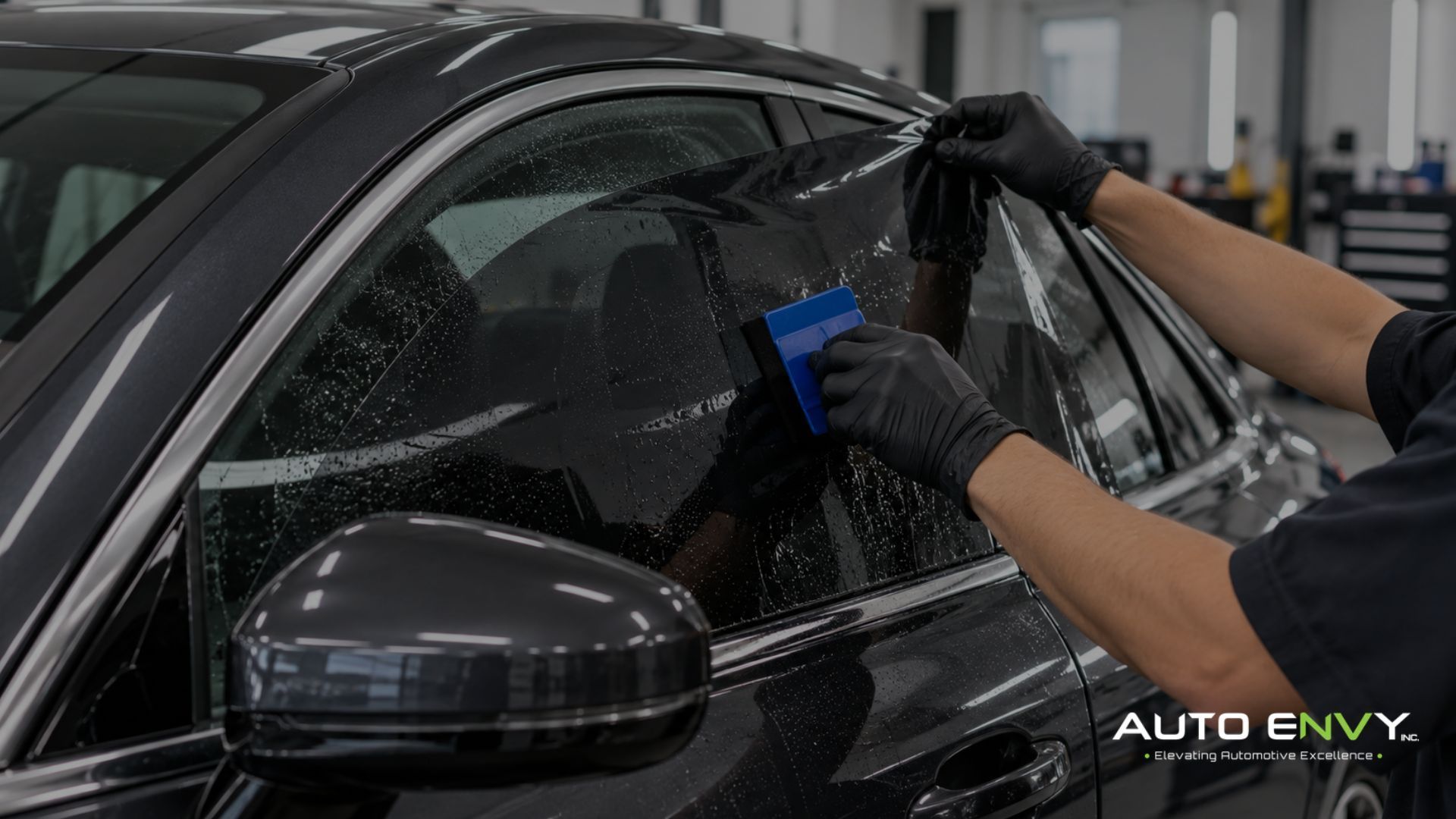
XPEL and 3M both offer premium paint protection film designed to defend vehicle paint from rock chips, scratches, road debris, and environmental exposure. Vehicle owners should compare the specific film line, self-healing technology, surface finish, warranty, available coverage, installer expertise, and long-term maintenance rather than choosing based on brand recognition alone.
Premium options such as XPEL ULTIMATE PLUS and 3M Scotchgard Paint Protection Film Pro Series 200 both incorporate self-healing technology and are backed by long-term limited warranty coverage. That makes the decision less about finding a universal winner and more about understanding how each product, warranty, and PPF installation fits the vehicle owner's priorities.
For Fresno drivers, the quality of the film matters, but so does where the vehicle is driven, how much road exposure it receives, and how carefully the film is installed. Both
XPEL PPF and
3M PPF are designed as professional automotive protection products, so comparing them should go deeper than the logo on the film.
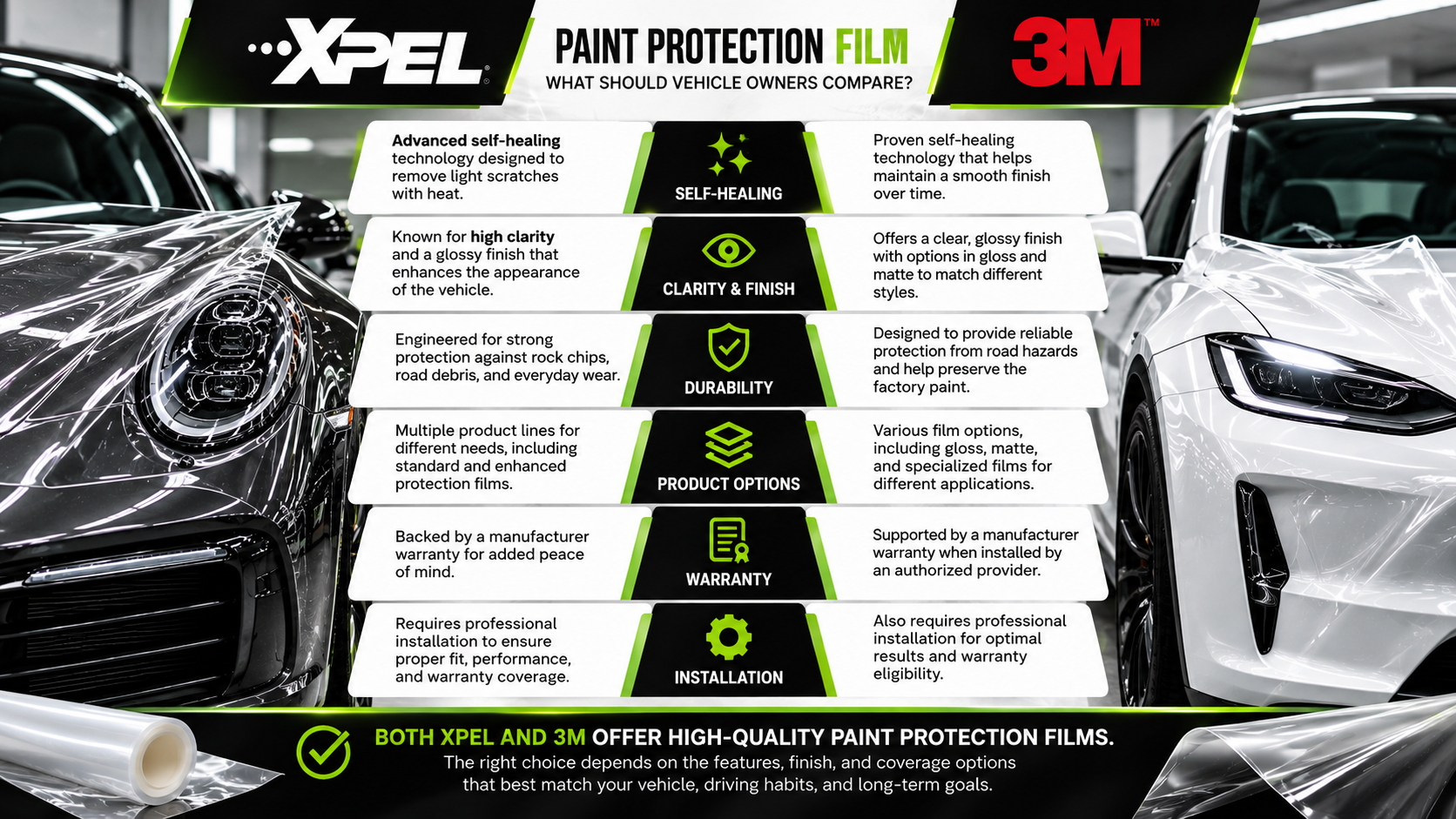
XPEL vs 3M PPF: What Are the Main Differences?
XPEL and 3M both manufacture premium paint protection film, but their products differ in film construction, surface characteristics, adhesive systems, available configurations, warranty terms, and installation ecosystems.Comparing the brands as a whole can oversimplify the decision because neither manufacturer sells just one type of PPF.
For a more useful comparison, premium clear films such as XPEL ULTIMATE PLUS and 3M Scotchgard Paint Protection Film Pro Series 200 provide a better reference point. Both are engineered to protect factory paint from common hazards such as stone chips, minor scratches, bug residue, staining, and environmental contamination.
Product Line Matters More Than the Logo
Different films within the same brand can offer different thicknesses, finishes, top-coat technologies, and intended applications. A shopper comparing XPEL vs 3M PPF should therefore make sure the products being quoted actually occupy a similar performance category.
Installation Is Part of the Comparison
The final result also depends on the installer working with the film. Pattern accuracy, preparation, edge placement, contamination control, and experience around complicated panels can influence how the finished automotive PPF looks regardless of manufacturer.
At
Auto Envy Fresno, we are an authorized XPEL center, so XPEL paint protection film is the product line we work with directly. That gives us firsthand experience with how it installs and performs, but it does not mean a vehicle owner should ignore the strengths of competing premium films. The better decision comes from comparing the actual product specifications and the quality of the installation behind them.
How Do XPEL and 3M PPF Protect Vehicle Paint?
Both XPEL and 3M PPF create a transparent polyurethane barrier over painted surfaces so everyday impacts and contamination reach the film before reaching the factory finish. Neither product makes a vehicle immune to damage, but both are designed to reduce many of the cosmetic problems that accumulate through regular driving.
That protective layer can help against several common sources of wear:
- Rock chips from highway debris
- Minor scratches and surface scuffs
- Bug residue and road grime
- Loose gravel and construction debris
- Staining from environmental contaminants
- Repeated wear on high-impact exterior areas
For Fresno drivers, those benefits are particularly relevant on Highway 99, Highway 41, Highway 180, and other Central Valley roads where highway mileage, trucks, construction activity, and loose debris can increase front-end exposure.
The bumper and hood usually receive the most direct impacts, followed by the front fenders and side mirrors. Rocker panels and lower doors can also take damage from debris thrown by the tires. That is why PPF coverage often begins with these areas rather than immediately extending across the entire vehicle.
At
Auto Envy Fresno, we look at how the vehicle is actually used before recommending a coverage level. Someone primarily concerned with
rock chip protection may get what they need from front-end coverage, while another owner may want a broader clear bra or full-body package to protect against scratches and contact around the rest of the exterior.
How Do Self-Healing, Clarity, and Surface Finish Compare?
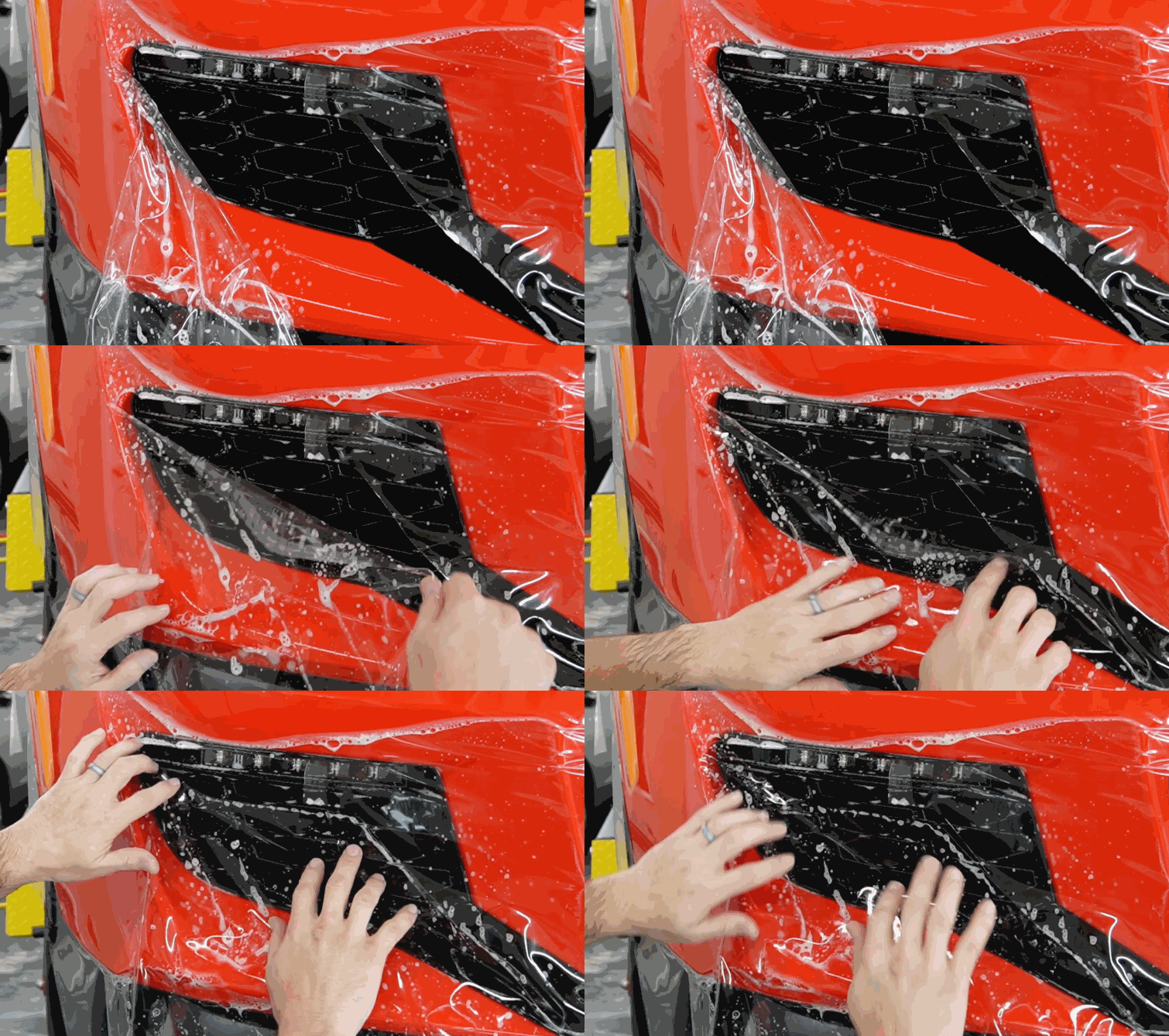
XPEL ULTIMATE PLUS and 3M Pro Series 200 both offer self-healing technology for light surface marks, so self-healing alone does not separate the two products. Vehicle owners should also compare clarity, gloss, texture, hydrophobic behavior, available finishes, and how naturally the film blends with factory paint.
XPEL ULTIMATE PLUS is offered in multiple configurations and finishes and uses a self-healing top coat designed to reduce the appearance of light scratches with heat. 3M Pro Series 200 also incorporates self-healing technology while emphasizing optical clarity, low orange peel, and a hydrophobic surface.
Clarity and Texture
A quality clear paint protection film should allow the paint underneath to remain the visual focus. Excessive texture or orange peel can make the surface look less like uncovered factory paint, particularly on dark or highly polished vehicles.
Gloss and Finish
Some owners want the film to preserve the original gloss as closely as possible, while others intentionally choose matte or satin protection to alter the appearance. The available finish should therefore be evaluated alongside durability rather than treated as a secondary detail.
Edge Visibility
Even excellent film can become noticeable when edges, seams, or panel transitions are poorly positioned. Body shape and installation technique often have as much influence on visual integration as the PPF clarity advertised by the manufacturer.
Paint condition underneath the film matters as well. Scratches, chips, oxidation, and poorly corrected defects will not disappear simply because a premium
automotive protection film is placed over them. Good preparation remains essential to getting the best appearance from either brand.
How Do XPEL and 3M PPF Warranties Compare?
Both XPEL ULTIMATE PLUS and 3M Pro Series 200 offer long-term limited warranty coverage, but a 10-year term does not mean the two warranties are identical. Fresno vehicle owners should compare what is covered, which exclusions apply, what documentation is required, and how a claim would actually be handled.
XPEL provides a 10-year limited warranty on qualifying ULTIMATE PLUS products when applicable installation and ownership requirements are met. Covered material defects can include issues such as yellowing, cracking, blistering, and delamination under the terms of the warranty.
3M Pro Series 200 also carries a 10-year consumer warranty, subject to its own eligibility requirements, exclusions, and claim procedures.
When comparing a PPF warranty, it helps to look at four things:
- Covered defects: Confirm which material or adhesive failures qualify.
- Installation requirements: Determine whether professional or authorized installation is required.
- Documentation: Keep invoices, warranty registration, and product information associated with the job.
- Claim process: Understand how film replacement, labor, and other related costs are handled if a qualifying issue develops.
Warranty length should not be used by itself as proof that one
paint protection film is more durable than another. A strong warranty is valuable, but the film's construction, the quality of the
PPF installation, how the vehicle is maintained, and the conditions it experiences over time all contribute to the real ownership experience.
Which PPF Coverage Makes Sense for Fresno Driving?
The right PPF coverage depends more on road exposure, vehicle use, and ownership priorities than on whether the film comes from XPEL or 3M. Fresno drivers should first decide which areas they most want to protect, then compare the film and installer available for that coverage.
For vehicles that spend significant time on Highway 99, Highway 41, Highway 180, or other Central Valley roads, the front end usually takes the greatest punishment. The bumper, hood, front fenders, and mirrors sit directly in the path of loose gravel, insects, and debris thrown by surrounding traffic. Rocker areas can also accumulate wear from material kicked up by the tires.
Different PPF packages solve different problems:
- Partial-front PPF concentrates protection on selected high-impact areas and can work for owners who want targeted rock-chip protection.
- Full front PPF normally extends across the complete bumper, hood, front fenders, and mirrors, eliminating partial-film lines across major panels.
- Extended high-impact coverage can add rocker panels, A-pillars, lower doors, or other areas exposed by a particular vehicle design or driving routine.
- Full body PPF protects nearly every painted exterior panel against a broader range of scratches, scuffs, road wear, and environmental contact.
Broader coverage becomes easier to justify on luxury vehicles, performance cars, EVs, specialty paint finishes, or vehicles an owner plans to keep for many years. Full-body protection can also appeal to someone who notices every small scratch and wants the finish maintained as consistently as possible.
At
Auto Envy Fresno, we offer different coverage levels rather than treating
full body PPF as the automatic answer. For many Fresno commuters, full-front protection may address the areas taking most of the abuse. The best
paint protection film Fresno CA setup is the one that protects the panels you actually care about without adding coverage simply for the sake of having more film.
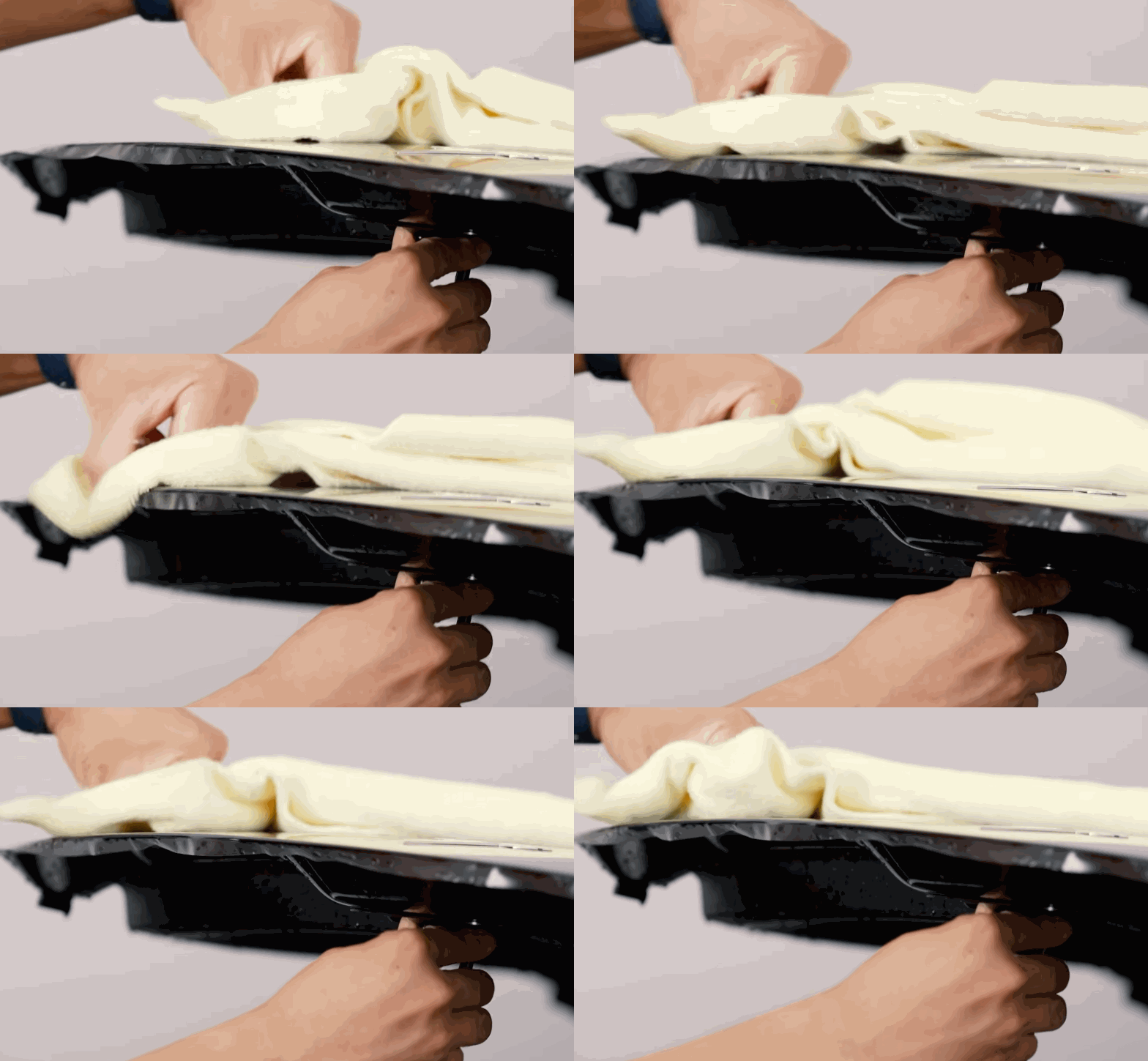
Does PPF Installation Quality Matter More Than the Brand?
PPF installation quality can matter just as much as the brand because premium film can still look poor or age prematurely when the surface preparation, alignment, stretching, or edge work is incorrect. XPEL and 3M both support professional installation networks because the installer is a major part of the finished result.
Before film goes onto the vehicle, the paint needs to be inspected and properly decontaminated. Existing chips, scratches, water spots, or other defects should be identified because transparent film will not hide everything underneath it.
Pattern fit matters too. A skilled PPF installer needs to account for bumper curves, mirrors, vents, sensors, trim, body lines, and panel edges. Where appropriate, edges can be wrapped or positioned to make the transition less noticeable, but forcing material around a difficult area simply to hide an edge can create unnecessary tension.
The same principle applies to contamination control. A small particle trapped under the film may be visually minor, but several defects across a hood or bumper can quickly make an expensive paint protection film installation look disappointing.
Fresno vehicle owners should therefore compare more than film specifications. Installer experience, certification, examples of completed work, warranty handling, and familiarity with the specific product all deserve attention.
At
Auto Envy Fresno, we have extensive experience performing professional
PPF installation as an authorized XPEL center in the Central Valley. That familiarity gives us firsthand knowledge of XPEL patterns, film behavior, preparation requirements, and finishing techniques, which is one reason installer experience should be considered alongside the brand on the box.
How Should You Compare PPF Maintenance and Long-Term Appearance?
A custom PPF package can be a smart middle ground when full-front protection is not quite enough but full-body coverage feels unnecessary. Instead of protecting every panel, film can be added to the specific areas your Tesla exposes most during normal use.
A Fresno owner might start with a full front and add rocker panels, lower doors, A-pillars, or luggage-loading areas. Another vehicle may need more attention around rear wheel impact zones or frequently touched surfaces.
This is one reason Tesla PPF should not be approached as a fixed menu.
At
Auto Envy Fresno, we can look at how the vehicle is driven and where wear is most likely to develop before deciding which additional panels are worth protecting. The result can be broader than a standard full-front package without committing to wrapping the entire car.
Should You Choose XPEL or 3M Paint Protection Film?
There is no universal winner between XPEL and 3M paint protection film for every vehicle owner. The better choice is the film-and-installer combination that fits your desired protection, appearance, coverage level, warranty expectations, and budget.
Both brands offer credible premium PPF with self-healing technology, clear finishes, and long-term warranty support. That means the decision often comes down to details that are harder to capture on a specification sheet.
Product construction matters, but so does how familiar the installer is with that film. Pattern quality, paint preparation, edge placement, contamination control, and support after installation can all influence whether the finished job feels worth the investment years later.
At Auto Envy Fresno, we install XPEL, so that is the product we know through direct, everyday experience. We are comfortable recommending it because we understand how the film behaves during installation and how to build coverage around different vehicles. That does not require claiming 3M is an inferior product. A fair XPEL vs 3M paint protection film comparison should recognize that both manufacturers offer serious automotive protection solutions.
For Fresno and Central Valley drivers, the more useful question is what level of protection the vehicle actually needs. A commuter may be well served by full front PPF, while a specialty or long-term ownership vehicle may justify extended or full-body coverage.
If you are comparing XPEL PPF Fresno options or trying to determine the right PPF installation Fresno CA coverage for your vehicle, contact us at Auto Envy Fresno. We can look at your vehicle, discuss where it receives the most exposure, and help you choose a paint protection film package that makes sense for how you actually drive.