California window tint laws allow considerable flexibility on windows behind the driver, but the rules are much stricter for the front side windows and windshield. For Fresno drivers, the key is understanding where aftermarket film can be installed, how visible light transmission works, and why heat rejection does not require choosing an illegally dark shade.
That distinction matters in the Central Valley, where reducing solar heat can be one of the main reasons to install
window tint. A professional setup should balance comfort, visibility, appearance, and compliance rather than treating darkness as the only measure of performance.
What California Window Tint Laws Apply in Fresno?
Fresno follows California's statewide vehicle window regulations, so there is not a separate local tint percentage specifically for Fresno drivers. The rules vary depending on where the glass is located on the vehicle.
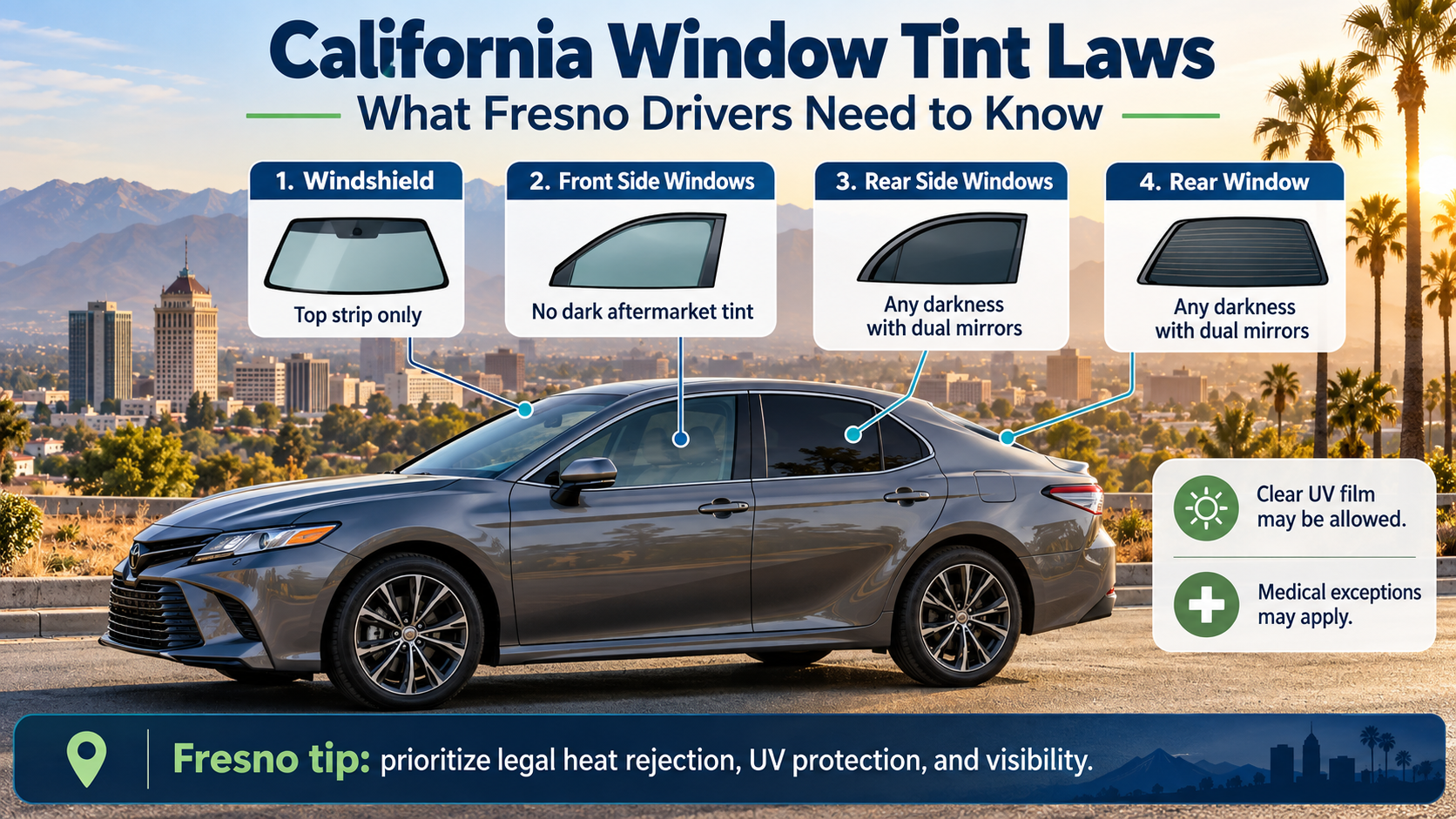
In practical terms, California treats the main glass areas differently:
- Front side windows: Conventional dark aftermarket tint is heavily restricted.
- Rear side windows: Tinting is generally permitted because these windows are located behind the driver.
- Rear window: Tinting is permitted when the vehicle has qualifying outside mirrors on both sides.
- Windshield: Aftermarket material is restricted, with limited exceptions including an allowable strip across the upper portion and certain qualifying transparent materials.
At Auto Envy Fresno, we consider these restrictions before discussing shade because the film that looks best in a sample is not necessarily appropriate for every window on the vehicle.
This is particularly useful when someone wants stronger heat protection during Fresno summers. Modern high-performance film can provide significant solar control without assuming that every piece of glass needs to become extremely dark.
How Dark Can Your Front Side Windows Be in California?
California does not simply allow drivers to apply conventional dark tint to the front driver and passenger windows as long as the final result reaches 70 percent VLT. The rule is more restrictive than that common interpretation suggests.
California law provides an exception for clear, colorless, transparent material applied to the front side windows. That material must have a visible light transmittance of at least 88 percent, and the complete glass-and-film combination must still satisfy the applicable 70 percent minimum light-transmission requirement.
The installer must also provide the required certification for qualifying material, and that certificate needs to remain with the vehicle.
This distinction is important because the frequently repeated "70 percent tint" description can be misleading. The law does not simply mean that any aftermarket film is permitted on the front side windows as long as a meter eventually reads 70 percent.
For Fresno drivers mainly interested in reducing UV exposure and solar heat, this is another reason to look at film technology rather than darkness alone. A nearly clear performance film can serve a very different purpose from a dark privacy tint.
Can You Tint the Rear Side Windows and Rear Window in California?
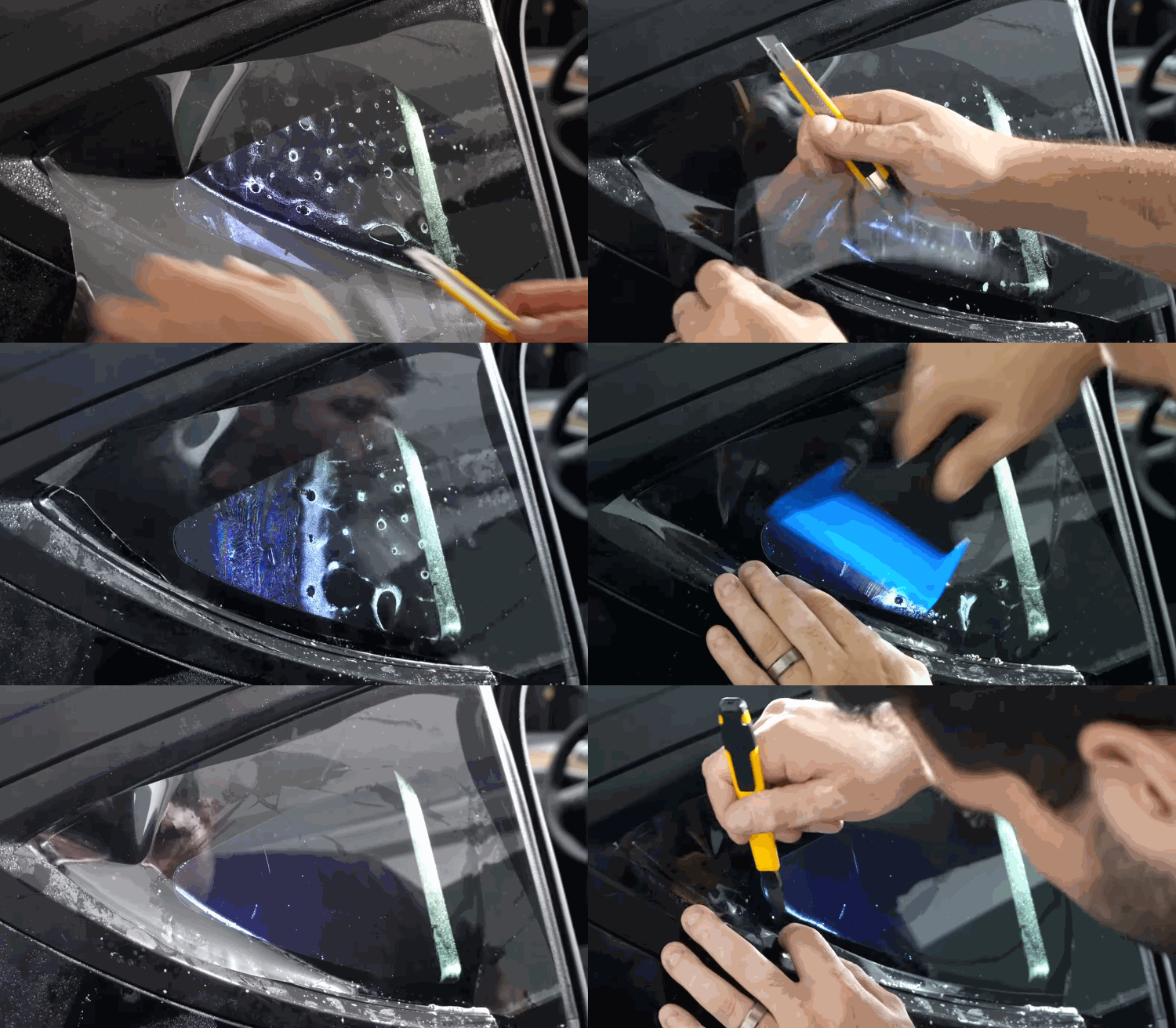
California provides much more flexibility for side windows located behind the driver. These rear side windows can generally receive aftermarket window tint, allowing drivers to choose darker shades for privacy, appearance, glare control, or additional solar protection.
The rear window can also be tinted, but the vehicle must have outside rearview mirrors on both the left and right sides positioned to provide the required view behind the vehicle.
This flexibility is especially relevant for SUVs, crossovers, trucks, and other vehicles that may already have dark factory privacy glass behind the front seats. Factory privacy glass and aftermarket film are not necessarily performing the same job. Dark glass can provide privacy while a performance-oriented film can be added to improve heat or UV control.
At
Auto Envy Fresno, we look at the existing glass before recommending additional film. A vehicle with dark rear factory glass may already have the appearance the owner wants but still benefit from a film designed specifically for thermal performance during Fresno's hotter months.
What Window Tint Is Allowed on the Windshield in California?
California generally restricts aftermarket material across the main viewing area of the windshield, but state law allows certain material along the upper portion when specific requirements are met.
The permitted upper strip must remain within the area defined by California window tint laws, including a requirement that its bottom edge be at least 29 inches above the undepressed driver's seat when measured according to the statute. The material also cannot be red or amber, create excessive reflection, or interfere with normal vision.
California law separately provides a medical exception for qualifying clear, colorless, transparent material when specific requirements are satisfied.
For most Fresno drivers, the important point is that windshield tint should not be treated the same way as tinting rear side glass. The windshield plays a direct role in forward visibility, and its legal limitations are substantially tighter.
What Does VLT Mean for California Window Tint?
VLT, or visible light transmission, measures the percentage of visible light that passes through a window. A higher VLT number means more visible light passes through, while a lower percentage generally produces darker glass.
This number applies to the finished glass system, not just the film in isolation. Factory glass already reduces some visible light before any aftermarket material is added, so installing a film labeled with a particular VLT does not necessarily mean the completed window will measure exactly the same percentage.
That is one reason professional film selection matters. Shade, factory glass, visibility, and legal requirements all need to be considered together rather than choosing a percentage from a sample chart alone.
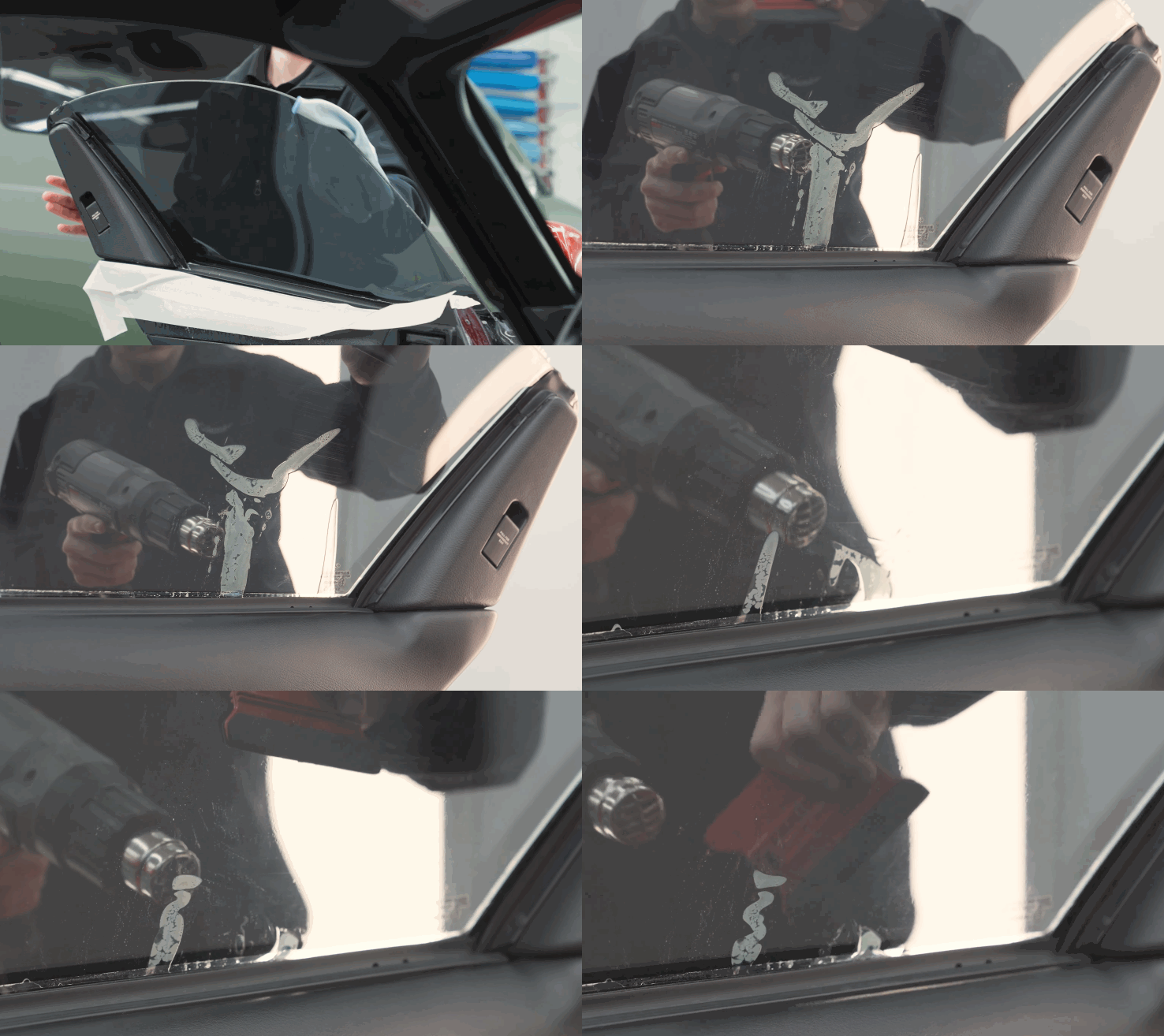
Just as importantly, VLT does not measure heat rejection. A lighter ceramic or other
high-performance window tint can potentially provide stronger thermal control than a darker basic film, making film technology especially relevant for Fresno drivers who want relief from Central Valley heat without relying on excessive darkness.
Are Reflective or Colored Window Tints Legal in California?
California limits certain tint colors and reflective treatments because window film cannot interfere with visibility or create excessive glare for other drivers. Rear side windows can generally use tint of any darkness, but California does not allow red, yellow, or blue tint on those windows.
The windshield strip has its own restrictions. Material installed along the permitted upper portion cannot be red or amber, and it cannot reflect sunlight or headlights into the eyes of people in other vehicles more than the untreated windshield would.
For Fresno drivers, this means appearance choices should still be made within the state's visibility and color restrictions. A film that looks distinctive is not necessarily appropriate simply because it is installed behind the driver.
Neutral charcoal and similar automotive shades are commonly chosen because they provide a clean appearance without relying on unusual colors or highly reflective finishes.
Does California Allow Medical Exemptions for Window Tint?
California provides a medical exception for certain removable sun-screening devices on the front side windows when a qualifying driver or passenger needs protection from the sun for a medical or visual condition. The person must carry documentation from a licensed physician and surgeon or, when applicable, a licensed optometrist.
The important detail is that this exception does not simply authorize permanent dark film on the front windows. Qualifying sun-screening devices must be removable, and California does not allow them to be used during darkness. Transparent medical screening devices also have specific color and light-transmission requirements.
Because medical exceptions have detailed conditions, drivers should not assume that a doctor's recommendation automatically permits any tint shade or permanent installation.
At
Auto Envy Fresno, we recommend treating medical needs and conventional tint installation as separate questions. When legal compliance is a concern, the specific material, window location, and documentation requirements all matter.
Professional Window Tint Installation in Fresno, CA
California's tint laws leave Fresno drivers with plenty of options, but those options change depending on where the film is installed. Rear glass offers much more flexibility, while the windshield and front side windows are subject to stricter limitations. Understanding those differences makes it easier to choose window tint for the reason you actually want it, whether that is heat rejection, UV protection, privacy, glare reduction, appearance, or a combination of several benefits.
At Auto Envy Fresno, we work with drivers who want better performance from their vehicle glass without treating tint selection as a race toward the darkest shade. Fresno heat makes film technology especially important, and the right setup can improve everyday comfort while keeping visibility and California requirements in the conversation.
If you are ready to update your vehicle's tint,
contact us at Auto Envy Fresno and let us look at the glass with you. We can discuss where you want more privacy or heat protection and help you select a professional window tint setup suited to your vehicle and Fresno driving conditions.